The Allure of Gambling: Understanding Motivation
Casino gambling has always been an enticing activity for many individuals, largely due to the thrill and excitement it offers. The psychology behind this allure is rooted in a variety of motivational factors, ranging from the desire for monetary gain to the need for social interaction. For some, the chase of winning can become a powerful driving force, compelling players to engage in activities that they might not otherwise consider, including exploring best uk betting sites.
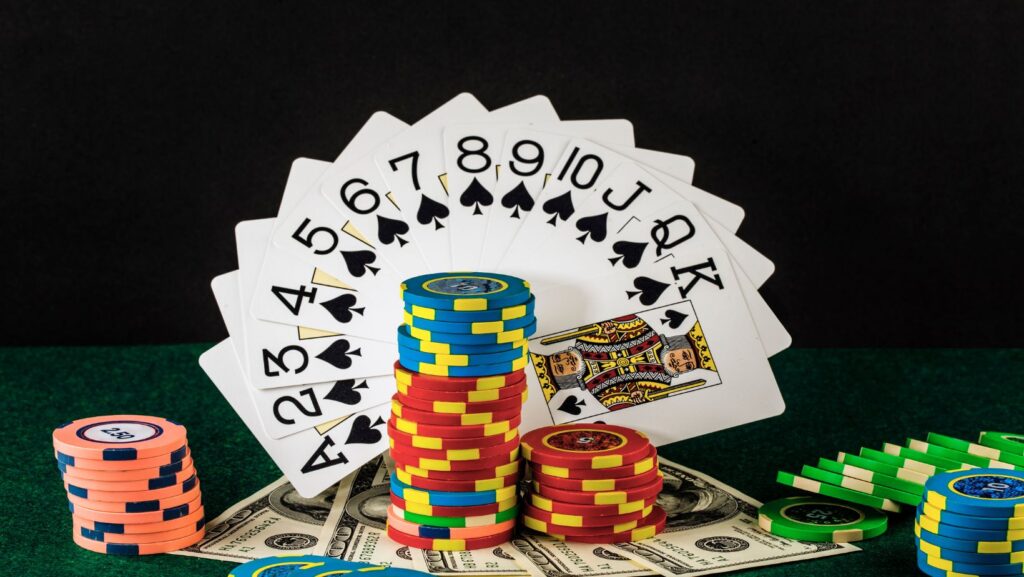
Additionally, the environments created by casinos contribute significantly to gambling behavior. Vibrant lights, captivating sounds, and the overall ambience are meticulously designed to heighten emotions and encourage prolonged play. This sensory overload can lead individuals into a trance-like state, where the thrill of the game overshadows rational decision-making.
The Role of Cognitive Biases in Gambling
Cognitive biases play a crucial role in how individuals perceive their chances of winning while gambling. One of the most prevalent biases is the illusion of control, where gamblers believe they can influence the outcome of a game, such as blackjack or poker. This misconception can lead players to take larger risks, convinced that their skills or strategies will yield favorable results.
Another common bias is the gambler’s fallacy, where individuals mistakenly believe that past outcomes affect future events. For instance, a player might think that a slot machine is “due” for a win after a series of losses. These cognitive distortions can create a dangerous cycle of gambling, driving individuals to continue playing in hopes of recouping their losses or achieving a winning streak.
Emotional Responses and Decision-Making
The emotional landscape of gambling is complex and varies greatly among individuals. Many gamblers experience a rush of excitement and anticipation, often referred to as the “gambling high.” This heightened state can lead to impulsive decisions, overshadowing logical thought processes. The interplay of emotions during gambling can skew one’s ability to evaluate risks and rewards effectively.
Furthermore, negative emotions such as anxiety or stress can also drive gambling behavior. Some individuals may turn to gambling as a coping mechanism, using it to escape personal challenges. This emotional reliance on gambling can quickly escalate into problematic behavior, complicating the initial reasons for engaging in the activity.
The Impact of Environment on Gambling Behavior
The environment in which people gamble significantly influences their behavior and choices. Casinos are designed to create a sense of euphoria and excitement, with the aim of keeping players engaged. The layout of the gaming floor, accessibility of games, and the presence of alcohol all contribute to a unique atmosphere that can enhance the gambling experience.
Additionally, social interactions within the casino setting can amplify the thrill of gambling. The camaraderie among players, cheering for wins, and shared experiences can create a communal atmosphere that encourages more engagement. This social dimension can lead individuals to gamble more than they might alone, further complicating their personal relationship with gambling.

Support and Resources for Gambling Behavior
Understanding the psychology behind casino gambling behavior is crucial for those who may be struggling with gambling-related issues. Seeking support, whether through counseling or community programs, can provide individuals with tools to manage their behavior and make informed decisions. Education about the psychological elements of gambling can empower individuals to recognize their patterns and make better choices.
If you or someone you know is affected by compulsive gambling, numerous resources are available to offer help and guidance. Engaging with a supportive community can also foster understanding and recovery, providing a pathway to navigate the challenges associated with gambling behavior. It’s essential to prioritize mental health and well-being when addressing gambling issues, and there is hope for positive change.